Handmade Pasta Florence
EN

Pici Tuscany's hand-rolled pasta, explained.

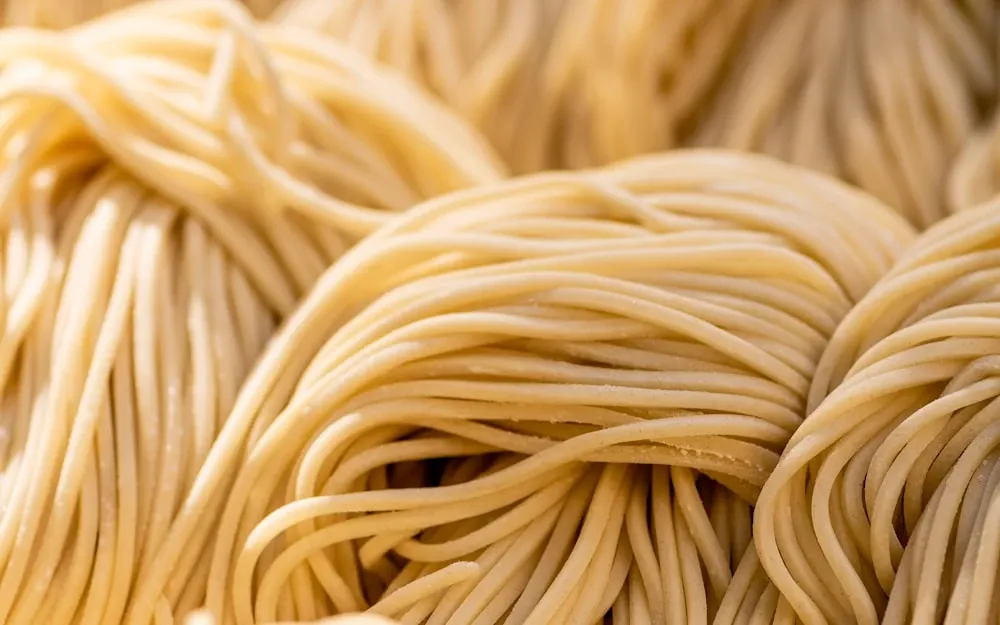
Pici is a thick, hand-rolled pasta from southern Tuscany, made from nothing but flour, water and a little olive oil — no egg. Each strand is rolled out under the palms rather than cut with a knife or machine, which is why no two are the same thickness and why the surface stays rough enough to grip a heavy sauce.

Thick hand-rolled pici pasta strands dusted with flour on a wooden board
From
Siena & the Val d'Orcia
Dough
flour, water, olive oil — no egg
Made by
rolling under the palms
Thickness
about 3 mm, deliberately uneven
Classic sauces
aglione, cinghiale, cacio e pepe, briciole
Difficulty
the most forgiving shape to learn

Where pici come from

Pici belong to the hills south of Siena — the Val d'Orcia, Montalcino, Montepulciano — and they are old. There is a fresco in an Etruscan tomb at Tarquinia that appears to show something very like them, which locals will tell you about at length and with confidence.

What is certain is that pici are poor food. No egg, because eggs were worth money and went to market. Just the cheapest flour, water from the tap, and the one thing every farmhouse had: time, and a pair of hands. That is the whole recipe, and it is why the shape survived — you can make it with nothing.

How they are rolled

You roll out a slab of dough about a centimetre thick, cut it into strips, and then work each strip under your flat palms from the middle outwards until it stretches into a long, thick strand. The verb is appiciare, and it is where the name comes from.

The mistake everyone makes at first is pressing too hard, which flattens the strand into a ribbon instead of rounding it. The second mistake is chasing perfection. Pici are supposed to be uneven — the fat bits and thin bits are the character of the dish, and a rough, slightly irregular surface holds sauce far better than a smooth extruded one ever will.

What to put on them

Four sauces earn the name. Aglione — a slow tomato and garlic sauce built on the enormous, mild Tuscan aglione garlic — is the definitive one; ask for pici all'aglione anywhere south of Siena. Ragù di cinghiale, wild boar, is the autumn version and the reason pici are thick enough to stand up to it.

Cacio e pepe works beautifully because the rough surface grabs the cheese, and pici alle briciole — toasted breadcrumbs, garlic, oil — is the oldest and poorest of them, and quietly one of the best things in Tuscan cooking. What you will not find on real pici is cream.

Roll it yourself.

We teach all four of these shapes in a three-hour class in our Oltrarno kitchen — hands in the flour from the first minute, then everyone sits down to eat what they made. Max 8 guests, €95.

See the class

Questions, answered.

What is pici pasta made of?

Flour, water and usually a little olive oil. No egg — that is the defining feature and the reason it was affordable for farming families in southern Tuscany.

Is pici the same as thick spaghetti?

No. Spaghetti is extruded through a die and comes out perfectly round, uniform and smooth. Pici are rolled by hand, so they are uneven along their length and slightly rough on the surface, which changes how much sauce clings to them.

What sauce goes with pici?

Traditionally four: aglione (tomato and sweet Tuscan garlic), wild boar ragù, cacio e pepe, and briciole — toasted breadcrumbs with garlic and oil. All four are chosen because they cling to a thick, rough strand.

Are pici hard to make at home?

They are the easiest fresh pasta to start with, because you need no machine and no rolling pin — just your hands and a board. They are slow rather than difficult: rolling enough pici for four people takes a while, which is exactly why it was a job for the whole family.