How we actually keep it gluten-free
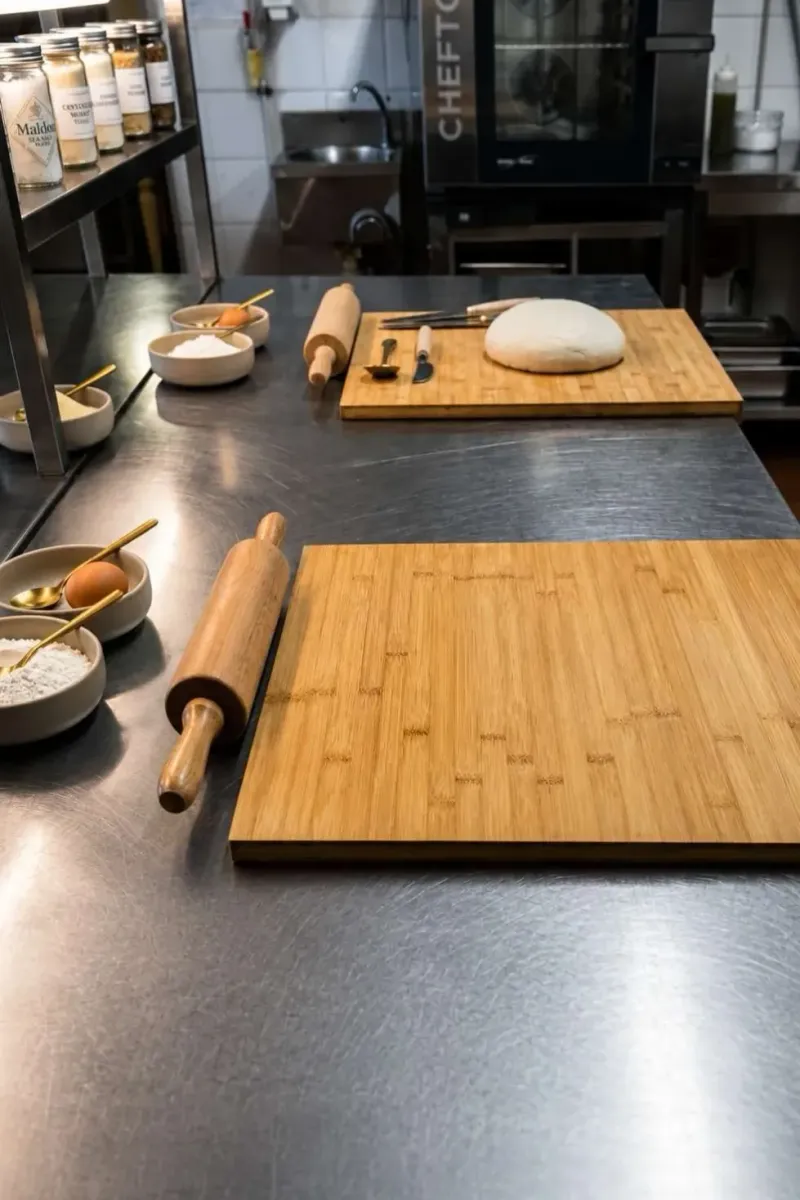
We set your station up before the class starts, while the room is still clean and no one has opened a bag of wheat flour. You get a dedicated gluten-free blend, your own board, rolling pin, cutter and bowls, and your pasta is boiled in its own pot of water — never the shared one. Your chef washes and changes apron before working with you.
We want to be straight with you about one thing: this is a working pasta kitchen and wheat flour is used in the same room. Our setup is built for coeliac guests and we take it seriously, but we are not a certified gluten-free facility, and airborne flour is a fact of any pasta class. If your sensitivity is severe, tell us when you book — we will talk it through honestly rather than sell you a seat.
What you will make
The same class as everyone else, which is rather the point. You will mix and knead your own dough, learn to read it by feel — a gluten-free dough behaves differently, and we teach you what "ready" looks like without gluten to help you — and shape it into the classics: hand-rolled pici, ribbon-cut tagliatelle and pappardelle, and filled tortelli, following the season.
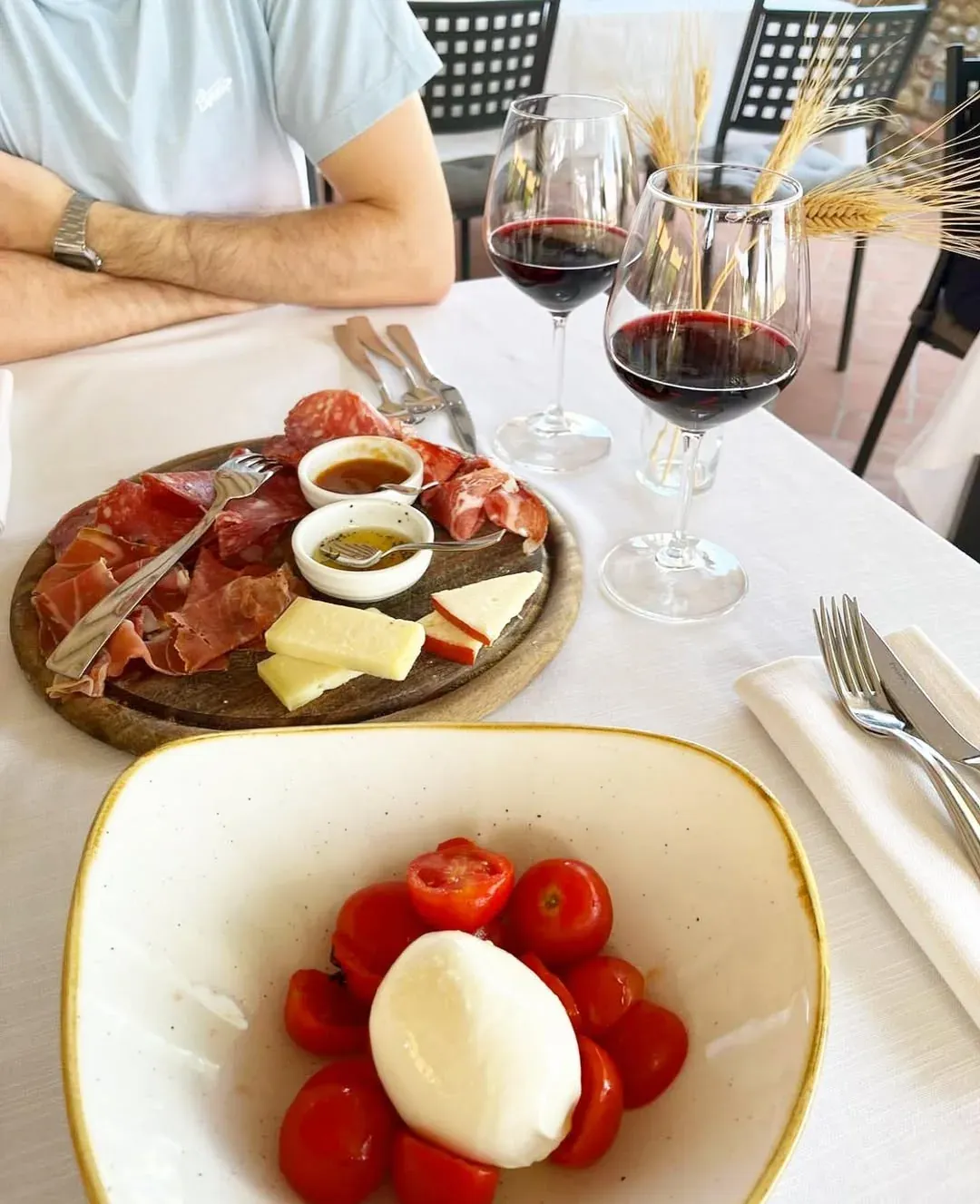
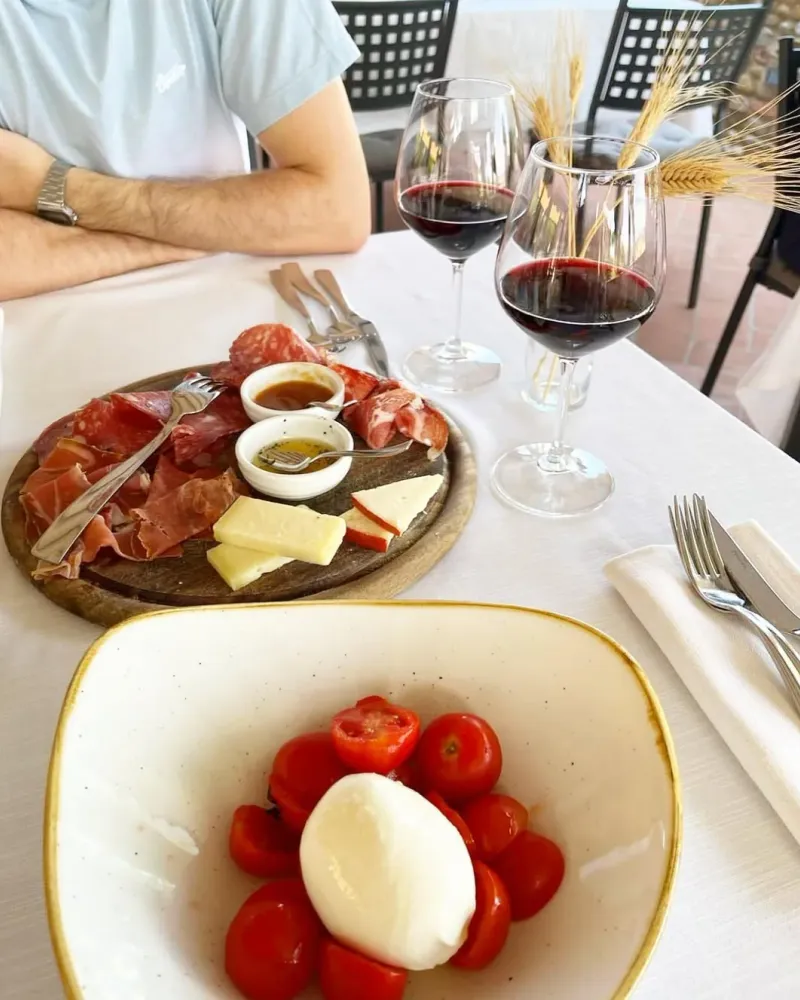
Then we cook it all together and sit down. Your pasta, a Tuscan sauce checked for gluten, and a glass of local wine. No separate table, no eating an hour after everyone else.
Good to know
- Mixed groups are welcome and normal — one coeliac guest and three friends who are not is the most common booking we take.
- Other allergies (egg, dairy, nuts) can usually be worked around too. Send the whole list when you book, not on the day.
- Travelling coeliac in Italy? Our guide to eating gluten-free in Florence covers the phrases, habits and places that make it easy.
- Want it entirely private, with the kitchen to yourselves? That is The Family Long-Table.