
What to Eat in Florence: a Tuscan Cook's Guide
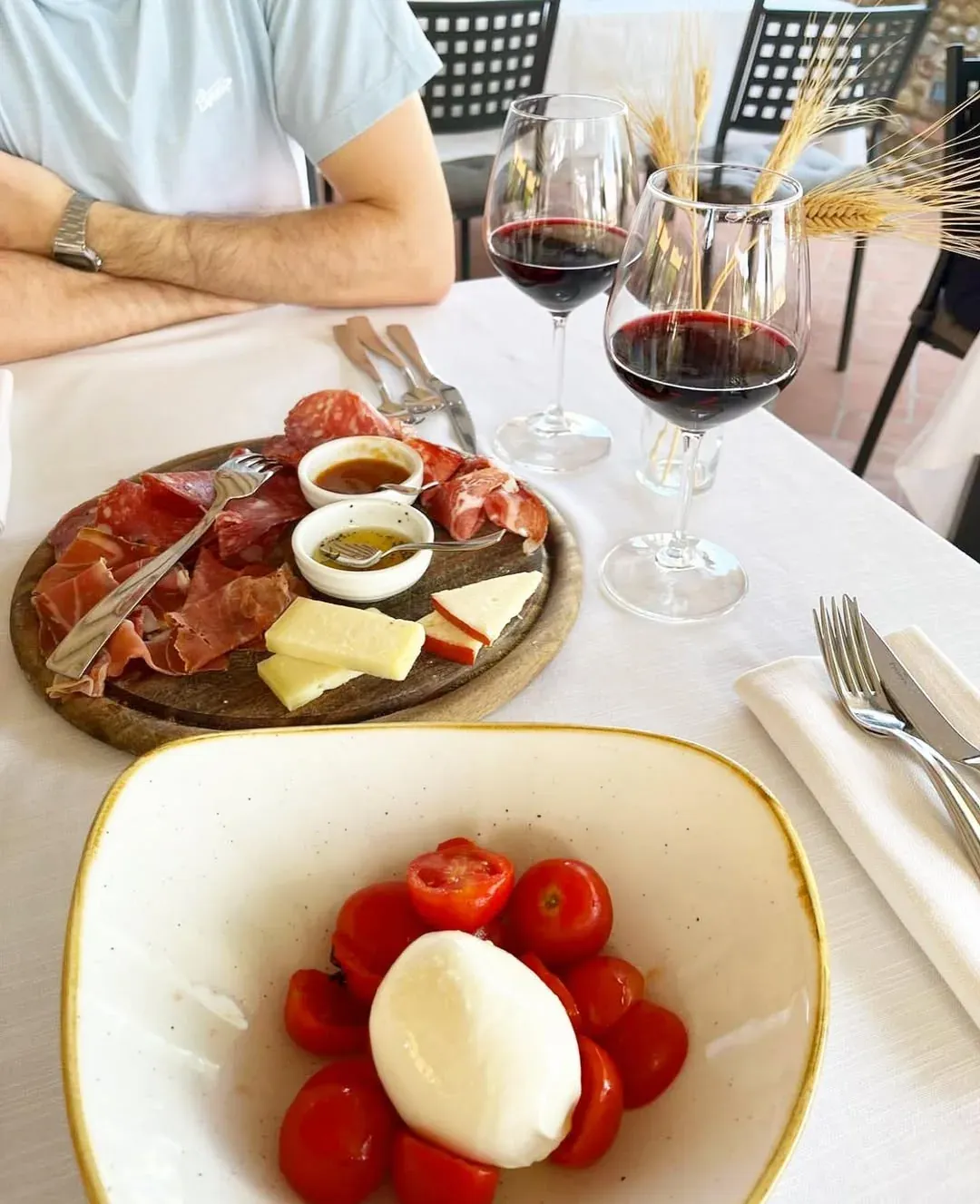
You came to Florence partly for the food, and then you opened a menu with forty things on it and no way to tell which of them the city actually eats. Plenty of what is served to visitors in the centre is Italian, good, and from somewhere else entirely. Here is what is genuinely Florentine, from someone who cooks it for a living.
What to eat: bistecca alla fiorentina, lampredotto, ribollita, pappardelle al cinghiale, crostini di fegatini. What is Tuscan pasta: pici, pappardelle, tagliatelle, potato tortelli. Where it is cheapest and best: standing at a counter at lunch, not sitting down at dinner.
What are the classic Florentine dishes?
Six plates carry the city, and you can eat all of them in three days.
Bistecca alla fiorentina is the famous one: a T-bone three fingers thick, salted, grilled over embers, served rare and sold by weight. It is priced per kilo for a reason. It is a dish for two or three people, it is not meant to be well done, and a restaurant that offers to cook it through is telling you something about itself.
Lampredotto is the one locals actually eat at lunch. Tripe, the fourth stomach, simmered in broth and stuffed into a bread roll with salsa verde, from a cart. It costs a few euros. It is milder than it sounds.
Ribollita and pappa al pomodoro are the winter and the everyday: both are bread soups, thickened with yesterday’s unsalted Tuscan loaf, one with black cabbage and beans, the other with tomato and basil. Panzanella is the same principle in summer, served cold as a salad.
Crostini di fegatini are the thing that arrives before everything else: chicken liver pâté on toast, dark and slightly sweet. Ordering them marks you as someone who has eaten here before.
Peposo is the slow one: beef shin cooked for hours with black pepper and Chianti, a dish supposedly fed to the kiln workers who fired the tiles of Brunelleschi’s dome.
One habit worth knowing: Tuscan bread has no salt in it. This is not a mistake and it is not you being unlucky. It exists to be eaten with salty things — salumi, pecorino, liver pâté — and to be the backbone of the soups above.
What pasta is actually Tuscan?
This is the part visitors get wrong most often, because the pasta that is famous internationally is mostly from Emilia or Rome.
- Pici are the most Tuscan shape there is: thick strands rolled by hand, no egg, no machine, from around Siena. Usually served with garlic and breadcrumbs (all’aglione, con le briciole) or a duck ragù.
- Pappardelle are wide ribbons that exist because Tuscany hunts. They are built to hold cinghiale (wild boar), hare, or a long-cooked beef ragù. Wide pasta, strong sauce.
- Tagliatelle are the narrower sibling, better with lighter sauces and mushrooms.
- Tortelli in the Mugello and Casentino are filled with potato, not ricotta. Butter and sage, or a meat ragù over the top. Most visitors have never seen them before and remember them afterwards.
If a menu in the centre offers all four plus carbonara plus lasagne plus penne arrabbiata, it is a menu written for tourists rather than a kitchen with a point of view. That is not automatically bad. It just is not Florence cooking for itself.
Which famous Italian dishes are not from Florence?
None of these are fake and none of them are bad. They are simply from other cities, and knowing which is which makes a menu readable:
- Spaghetti bolognese is not served in Bologna, where ragù goes with tagliatelle. Bologna is in Emilia-Romagna, not Tuscany.
- Fettuccine Alfredo is a Roman dish that became an American one.
- Carbonara, cacio e pepe and amatriciana are Roman.
- Lasagne as most people know them are Emilian.
- Tiramisù comes from the north-east, near Treviso.
You will find all of them in Florence, cooked well. Just do not travel here for them.
What to eat at each meal
Breakfast is not a meal here in the way you may be used to. A cappuccino and a pastry standing at the bar, before eleven, and that is it.
Lunch is where Florence is cheapest and most itself: lampredotto or a schiacciata (the flat, oil-rich Tuscan bread, split and filled) from a counter, eaten standing. If you sit down, lunch is also when fresh pasta is at its best, because most kitchens that roll their own roll it that morning.
Aperitivo runs roughly from six to eight. A negroni — invented in this city — or a glass of Chianti, with something salty alongside.
Dinner starts late by northern European standards, rarely before eight. This is when the bistecca makes sense, and when a proper four-course meal is worth the time.
Afterwards: cantucci dipped in vin santo, or gelato from a shop where the pistachio is dull green rather than bright, and the banana is grey. Bright colours mean paste, not fruit.
Or make the pasta yourself
If you want to understand Tuscan food rather than only order it, the shortest route is to spend three hours making it. In our pasta class in Florence you roll the four shapes above by hand — pici, tagliatelle, pappardelle and filled tortelli — then sit down and eat what you made, which is also the cheapest way to work out what you actually like before you spend money on dinner.
If you would rather start where the cooks start, Mercato & Mani begins at the Sant’Ambrogio market at the hour the restaurants are buying, and the basket decides the menu.
And when you do want a restaurant, we wrote the honest version of that list too: where to eat handmade pasta in Florence, including the part about which central kitchens quietly buy their pasta in.
What to eat in Florence: a three-day plan
- Day one, lunch: lampredotto from a cart near the Mercato Centrale. Dinner: crostini di fegatini, then pappardelle al cinghiale.
- Day two, lunch: a schiacciata standing up, then gelato. Dinner: bistecca alla fiorentina, shared, with a Chianti Classico and nothing else complicated.
- Day three, lunch: ribollita or panzanella depending on the season, and potato tortelli if you see them. Evening: aperitivo in the Oltrarno, then cantucci and vin santo.
Eat the bread with something salty, order the pasta at lunch, and let the bistecca stay rare.
Frequently asked
What food is Florence famous for?
Bistecca alla fiorentina, the thick T-bone grilled rare over embers, is the dish the city is named for abroad. Locally the everyday classics matter more: lampredotto from a street cart, ribollita and pappa al pomodoro in winter, panzanella in summer, crostini di fegatini to start, and pappardelle with wild boar ragu.
What pasta is typical of Tuscany?
Pici, pappardelle, tagliatelle and tortelli. Pici are thick hand-rolled strands from around Siena, made with no egg. Pappardelle are wide ribbons built for wild boar and hare ragu. Tortelli in the Mugello and Casentino are filled with potato rather than ricotta, which surprises most visitors.
What should I eat for lunch in Florence?
Lampredotto or a schiacciata from a counter if you want to eat like the city does, standing up and for a few euros. If you want to sit, lunch is the cheaper time to order the pasta course properly, and many kitchens roll their fresh pasta in the morning, so it is at its best.
Is spaghetti bolognese a Florentine dish?
No, and it is not really an Italian one either. Bologna serves its ragu with tagliatelle, not spaghetti, and Bologna is not in Tuscany. Fettuccine Alfredo is likewise a Roman-American invention. Neither is wrong to enjoy; they are just not what Florence cooks at home.
What is lampredotto and should I try it?
It is the fourth stomach of the cow, simmered in broth and served in a bread roll with salsa verde, from carts around the Mercato Centrale and Sant'Ambrogio. It is the most Florentine thing you can eat, it costs a few euros, and it tastes far milder than the description suggests.
What wine should I drink in Florence?
Chianti Classico with the black rooster seal is the regional default and goes with nearly everything on this list. Vernaccia di San Gimignano if you want white, Brunello di Montalcino if you are spending, and vin santo with cantucci at the end of a long meal.
Rather learn it with your hands?
Roll, fold and eat it yourself: in our Florence kitchen or live online.