
Day Trips from Florence: What to Eat in Each Town
Most day-trip lists from Florence are organised by what you can photograph. This one is organised by what is on the plate, because the towns around Florence do not cook the same food Florence does, and the differences are the actual reason to go.
Easiest by train: Lucca and Pisa, direct from Santa Maria Novella. Best for a food-led day: Siena and Lucca. Needs a bus change: San Gimignano, via Poggibonsi.
Siena: pici, and the pasta Florence does not make
Siena is the one town that fills a whole day on its own, and it has the single most distinctive pasta in Tuscany.
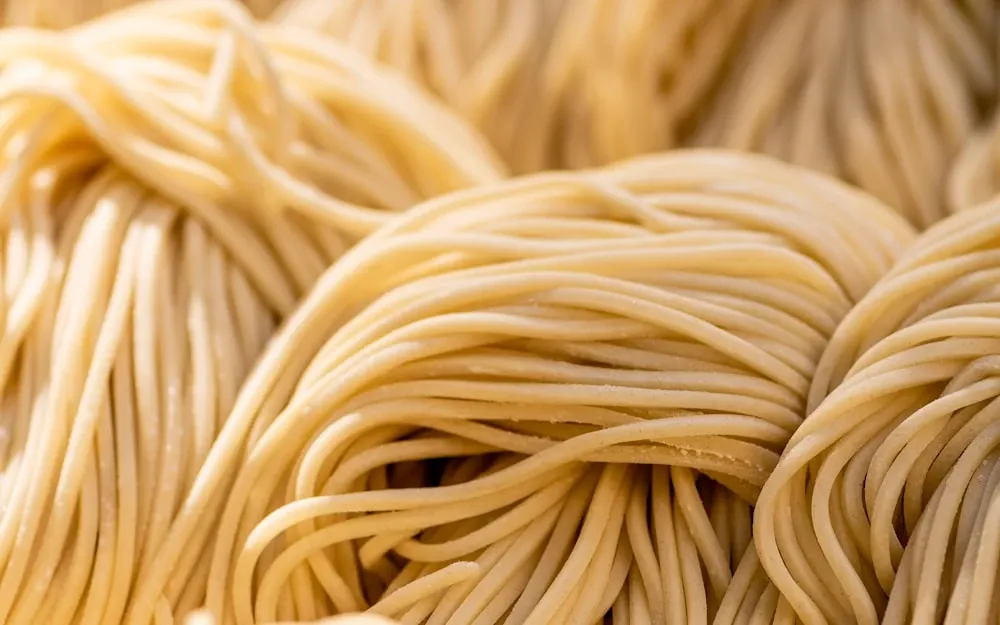
Pici are thick strands rolled between the palms, made from flour and water with no egg — peasant pasta, in the honest sense: made when eggs were worth more sold than eaten. They are uneven by definition, and that is the point; the sauce catches on the irregularities. Order them all’aglione, with a long-cooked garlic and tomato sauce, or con le briciole, with toasted breadcrumbs standing in for cheese.
The sweets are the other reason. Ricciarelli are soft almond biscuits, chewy rather than crisp. Panforte is dense, spiced, fruited and about a thousand years old. Both travel well, which matters if you are buying presents.
If you are drinking, you are in reach of Brunello di Montalcino and Vino Nobile di Montepulciano, both about an hour further south.
Lucca: tordelli, and a town you can walk around the top of
Lucca is flat, walled, and far less crowded than Siena. You can walk the full circuit of the Renaissance walls in about an hour, which is the rare Tuscan attraction that is free and requires no queue.
The food reason is tordelli lucchesi, and the naming trips up almost everyone. Lucca’s tordelli are meat-filled half-moons served with a meat ragù. They are not the same as the tortelli you meet in the Mugello and Casentino, which are filled with potato. Same corner of the same region, two different dishes, near-identical names.
Also worth ordering: zuppa di farro, the spelt and bean soup that is the local everyday dish, and buccellato, a sweet aniseed and raisin bread that Lucchesi give as a gift and slice for breakfast.
San Gimignano: white wine, saffron, and the earliest crowds
The towers are the photograph; the drink is the reason to stay for lunch. Vernaccia di San Gimignano was the first Italian wine to receive a DOC, and it is a proper dry white in a region that is overwhelmingly red. Order it where it is grown.
The other local product is saffron, cultivated here since the Middle Ages and still grown on a small scale. You will find it in risotto and in pasta sauces on local menus.
The honest warning: San Gimignano is small and receives a very large number of coaches. Arrive before ten or after four, and it is a different town.
Pisa: cecina, and two hours that are enough
Pisa is the shortest of these and the easiest to underestimate. The Campo dei Miracoli takes about two hours including the tower, and then most visitors leave without eating anything specific to the city.
What they miss is cecina — also called torta di ceci — a thin, baked chickpea flatbread, sold hot by the slice, salty and faintly bitter, often eaten folded inside a bread roll. It costs almost nothing and it is the single most Pisan thing on offer.
Pisa and Lucca sit on the same railway line, about half an hour apart, which makes them the obvious pair for one day.
One practical note that catches people out: regional trains are cheap and frequent but unreserved, and if you buy a paper ticket you must validate it before boarding. E-tickets bought in the app do not need validating. The fine for an unvalidated paper ticket is not small and inspectors on the Lucca and Pisa lines are diligent.
Getting there without a car
- Pisa Centrale — about 60 minutes, direct and frequent from Firenze Santa Maria Novella.
- Lucca — about 80 minutes, direct.
- Siena — the coach is the better answer. Siena’s railway station sits well below the historic centre, so the train leaves you with a climb or a local bus; the fast coach drops you far closer to the Campo.
- San Gimignano — no railway. Train or bus to Poggibonsi, then a local bus up. Budget a little over 90 minutes each way.
- Chianti — genuinely needs a car, and a designated driver.
Or stay closer and cook instead
There is a version of the Tuscan countryside day that does not involve a timetable at all. Our agriturismo cooking class runs in a working estate kitchen in the hills outside Florence, 30 to 45 minutes out, for groups of six to twenty: you pick from the garden, roll pasta with the chef, and eat a long lunch. It is quoted per group and it does suit people who already have a car.
If you are staying in the city, the three-hour version in our Oltrarno kitchen is The Chef’s Table, where the four shapes you will meet on these day trips — pici among them — get made by hand.
And for the city itself, the companion piece to this one is what to eat in Florence.
Which one should you pick?
- One day, no car, want a full day: Siena. Pici for lunch, ricciarelli to take home.
- One day, no car, want calm: Lucca. Walk the walls, eat tordelli, buy buccellato.
- Half a day, flying out of Pisa anyway: Pisa. Two hours at the tower, cecina by the slice.
- Wine first: San Gimignano, early or late, with Vernaccia at lunch.
- You have a car and a free afternoon: the countryside and a kitchen in it.
Pick one town, not three. The point of a Tuscan day trip is the long lunch in the middle of it.
Frequently asked
What is the best day trip from Florence?
Siena if you want one town that carries a whole day, Lucca if you want to walk and eat without crowds, San Gimignano for wine and views, Pisa if you are catching a flight anyway. Siena and Lucca are the two that reward a food-led day the most.
Can you do a day trip from Florence without a car?
Yes, for most of them. Lucca and Pisa have direct trains from Firenze Santa Maria Novella, roughly 80 and 60 minutes. Siena is best reached by the fast coach rather than the train, because Siena's station sits below the hill town. San Gimignano is the one that genuinely needs a change of bus at Poggibonsi.
What food is Siena famous for?
Pici, the thick hand-rolled pasta made without egg, usually served all'aglione with a garlic and tomato sauce or con le briciole with breadcrumbs. For sweets, ricciarelli, the soft almond biscuits, and panforte, the dense spiced fruit cake.
What should I eat in Lucca?
Tordelli lucchesi, which are Lucca's own filled pasta: meat-filled, half-moon shaped, served with a meat ragu, and not the same thing as Tuscan tortelli filled with potato. Also zuppa di farro, the spelt and bean soup, and buccellato, the sweet aniseed bread.
How far is Siena from San Gimignano?
About 40 kilometres, roughly an hour by car and a little over an hour by bus with a change at Poggibonsi. Doing both in a single day from Florence is possible by car and unpleasant by bus; pick one unless you are driving.
Is it worth going to Pisa from Florence?
For half a day, yes, and the food reason is cecina, the thin baked chickpea flatbread sold by the slice. The tower and the Campo dei Miracoli need about two hours. Many people pair it with Lucca, which is only half an hour further along the same line.
Rather learn it with your hands?
Roll, fold and eat it yourself: in our Florence kitchen or live online.